Civilizations of Color
Faculty Collaborators
Yale Principal Investigator: Dr. Mae-ling Lokko Tuskegee Principal Investigator: Amma Asamoah
Co-Principal Investigators
Sasha Duerr, Tei Carpenter (Princeton University) Mark Aronson, (Yale Center for British Art)
Research Assistants
Yale University: Laetitia Morlie / Oswaldo Chinchilla Alireza Samani Zamani / Brigid Elrod / Rebecca Mqamelo Maria Teleman / Precious Ndukuba / Moss Brener-Byant
Tuskegee University: Zaire Landon / Autumn Dickerson Victoria Sanders
Funding
Yale ASCEND Faculty Collaboration Grant Mae-ling Lokko Research Funding Tei Carpenter Research Funding
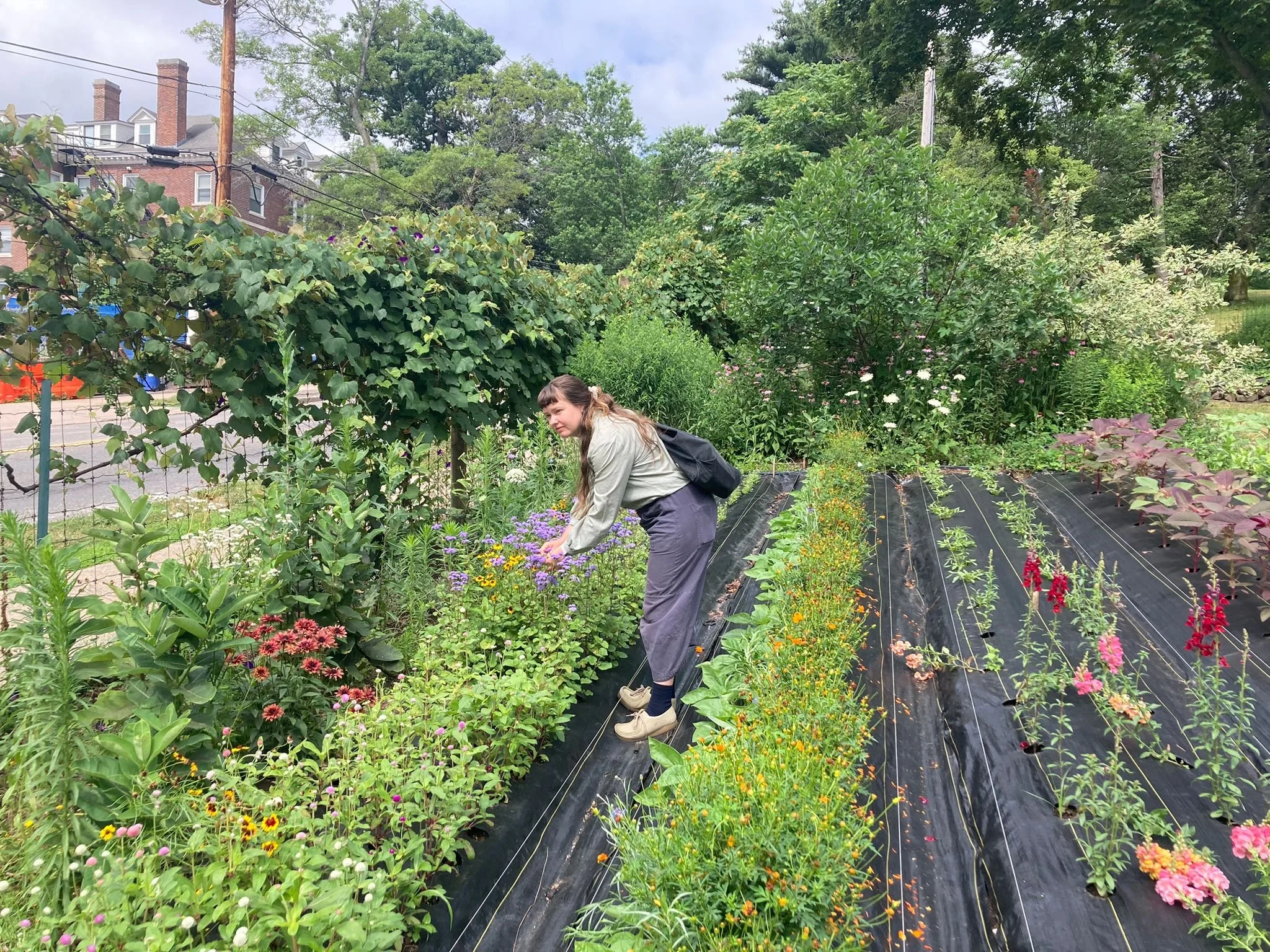
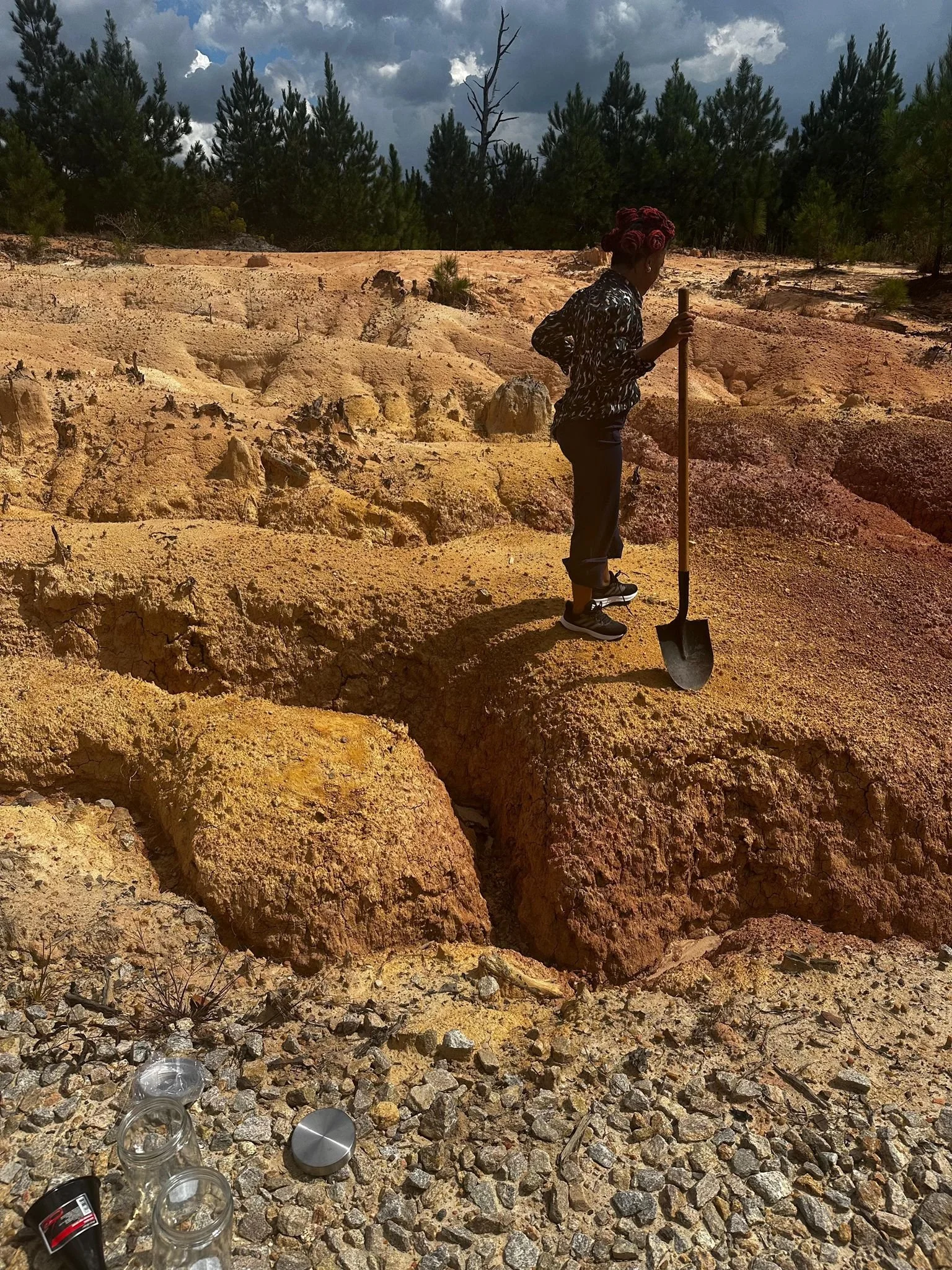
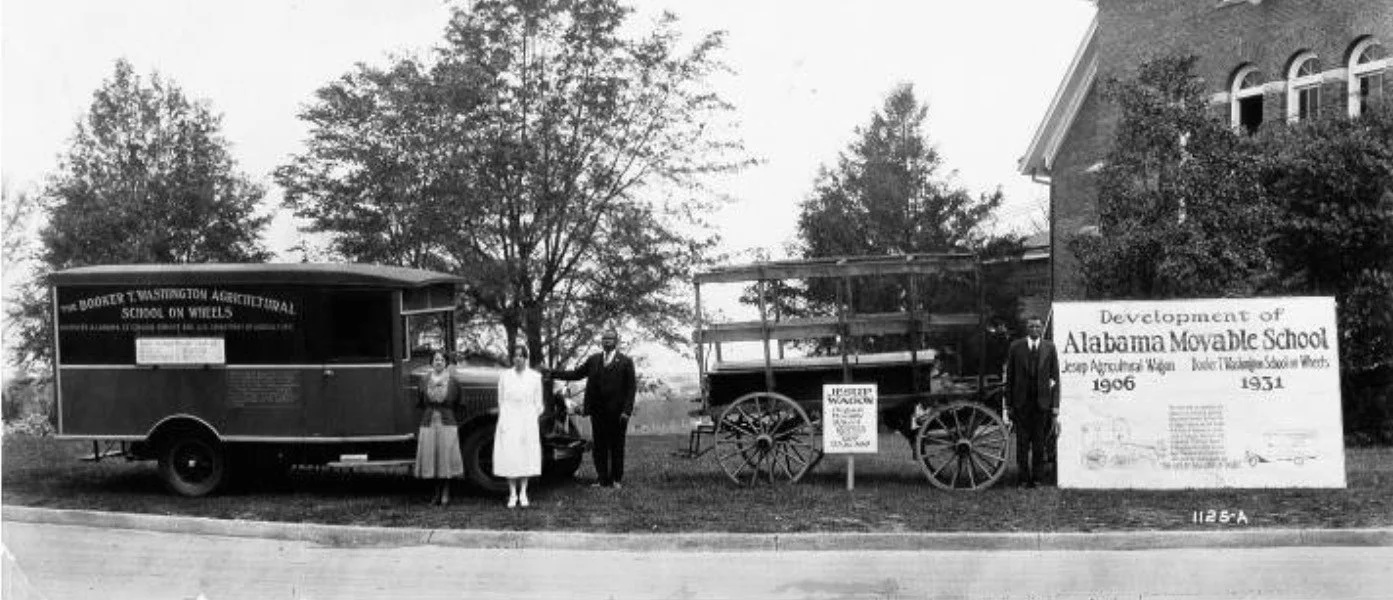
Civilizations of Color is a Yale CEA and Tuskegee University research collaboration exploring healthy colorants for the built environment. Historically, color came from local plants, minerals, and soils, tying it to specific places and artisanal traditions. Synthetic dyes and pigments in the 1800s made color cheap and widespread, but their heavy metals and additives harmed the environment and health, and they release toxins into air, water, and soil. The project reconsiders color across its full life cycle, treating it as part of a building's material story. Inspired by George Washington Carver's pigment experiments and his mobile "Jesup Wagon" classroom, the team is studying how forestry waste, farm byproducts, and quarry soils in Connecticut and Alabama can become architectural colorants. The outcome is a mobile color lab for processing and teaching biogenic materials and testing colorant performances.

Planetary Heutagogies
Yale Principal Investigator: Dr. Mae-ling Lokko Yale University PhD Students: Laetitia Morlie / Oswaldo Chinchilla Alireza Samani Zamani
Hahatay Principal Investigator: Mamadou Dia Hahatay Team: Lorenzo Favarato
MIT Principal Investigator Dr. John Ochsendorf MIT PhD Student: Nebyu Haile
TU Delft Principal Investigators Dr. Telesilla Bristogianni and Dr. Faidra Oikonomopoulou
Other Collaborators: Dr. Ibrahim Niang / Dr. Frederick Wireko-Manu / Worofila / DeRoche Projects / Alyssa Barry, Jean Charles Tall / Ernest Dione / Jessica Bristow
Graphic Design: Alvin Ashiatey
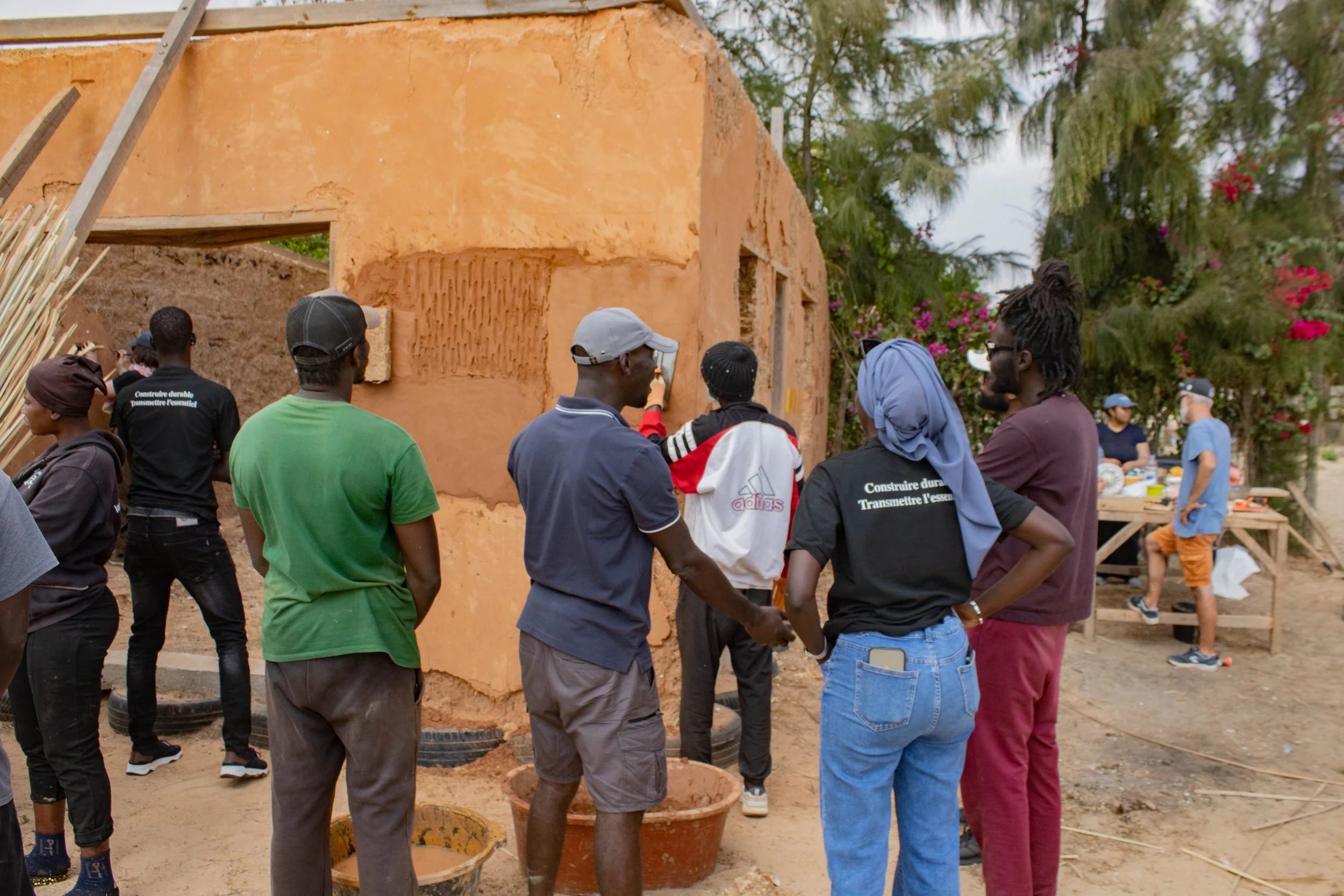
Saint-Louis Bioregion is a pilot program for building intersectoral capacity in low-carbon, biobased construction in coastal Senegal. Saint-Louis, a UNESCO World Heritage city and former capital, has been named the most threatened city in Africa from climate-driven coastal hazards. Most rehabilitation and flood protection there depends on costly, high-carbon materials and outside professional expertise, which many building owners can’t afford. The program asks how regional biomass and local knowledge might support the whole-life carbon design of resilient heritage buildings instead.
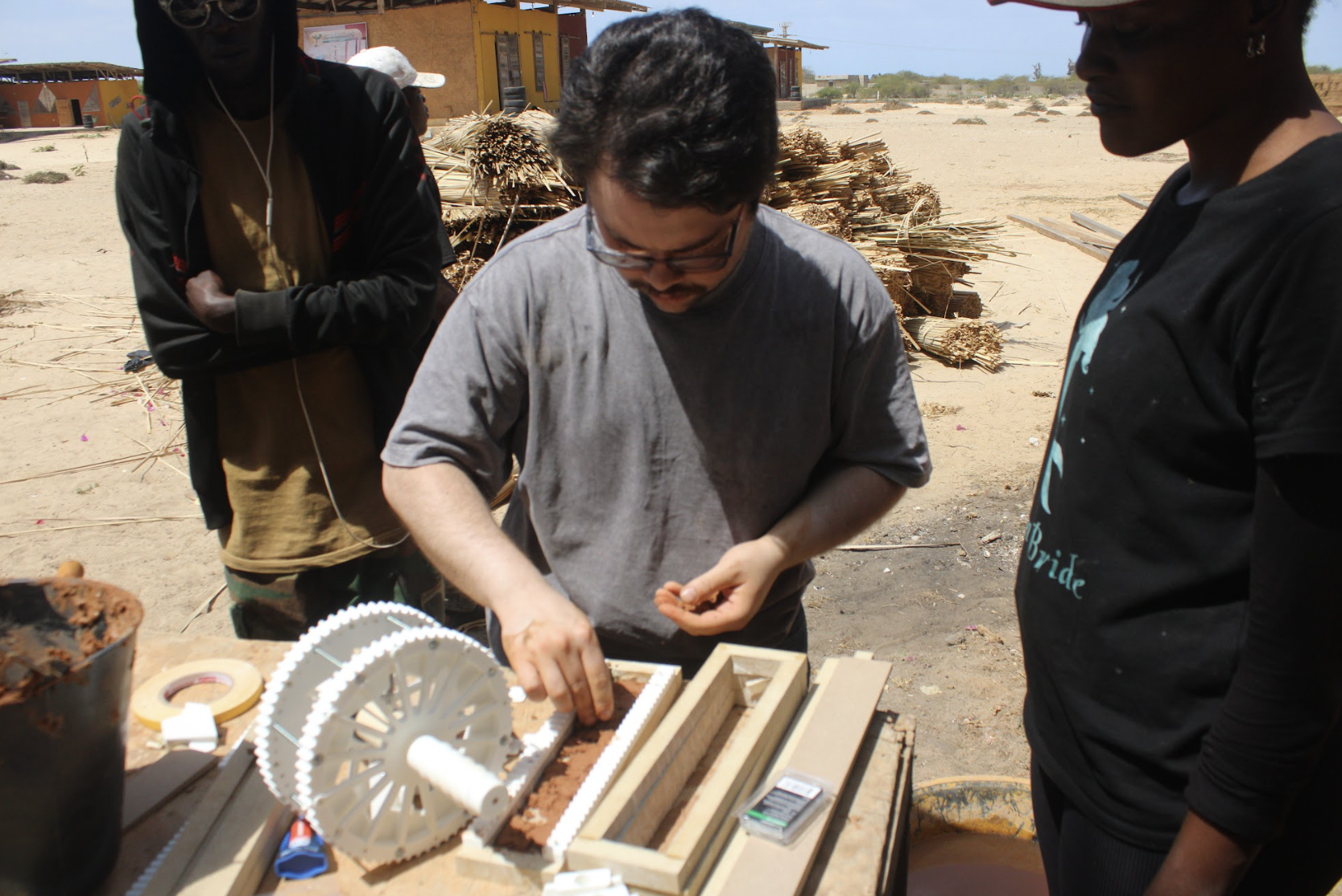
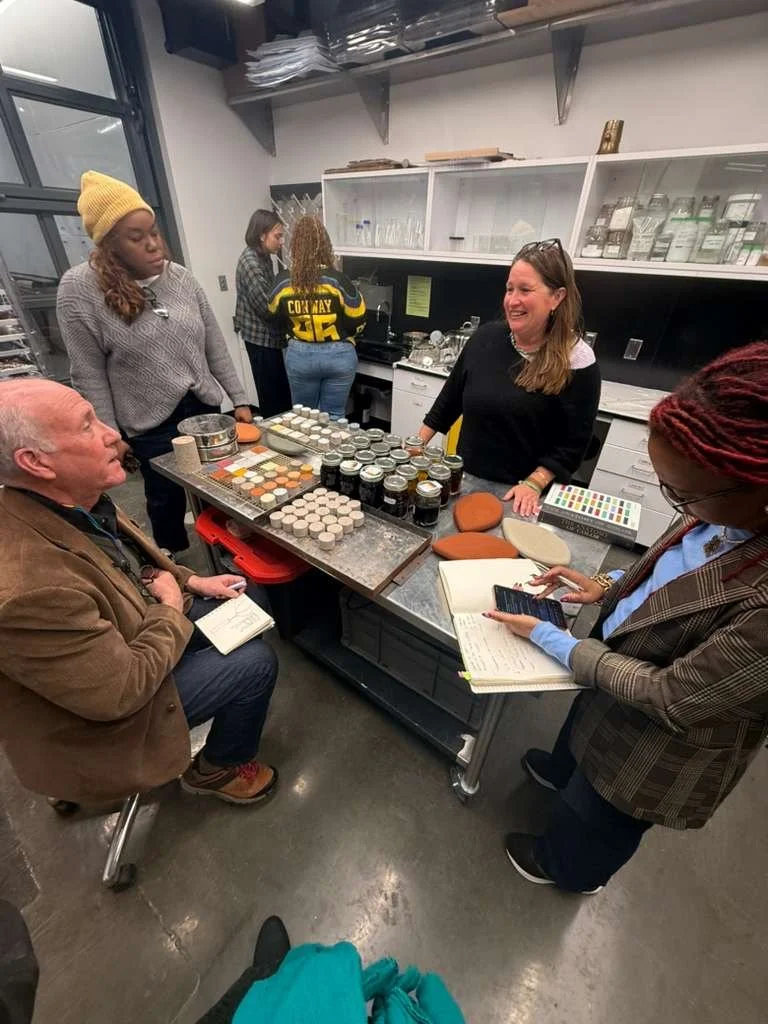
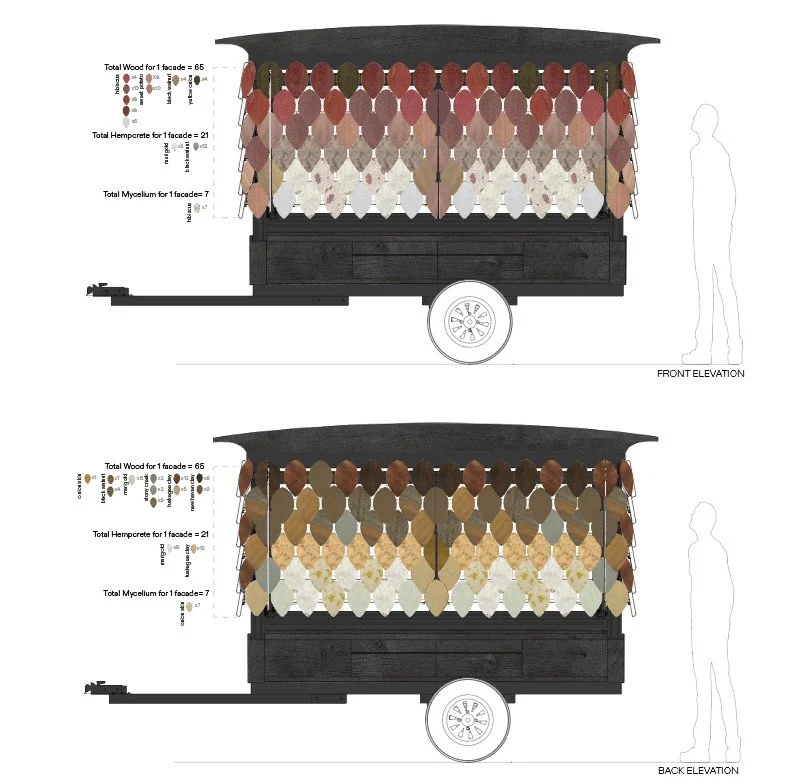
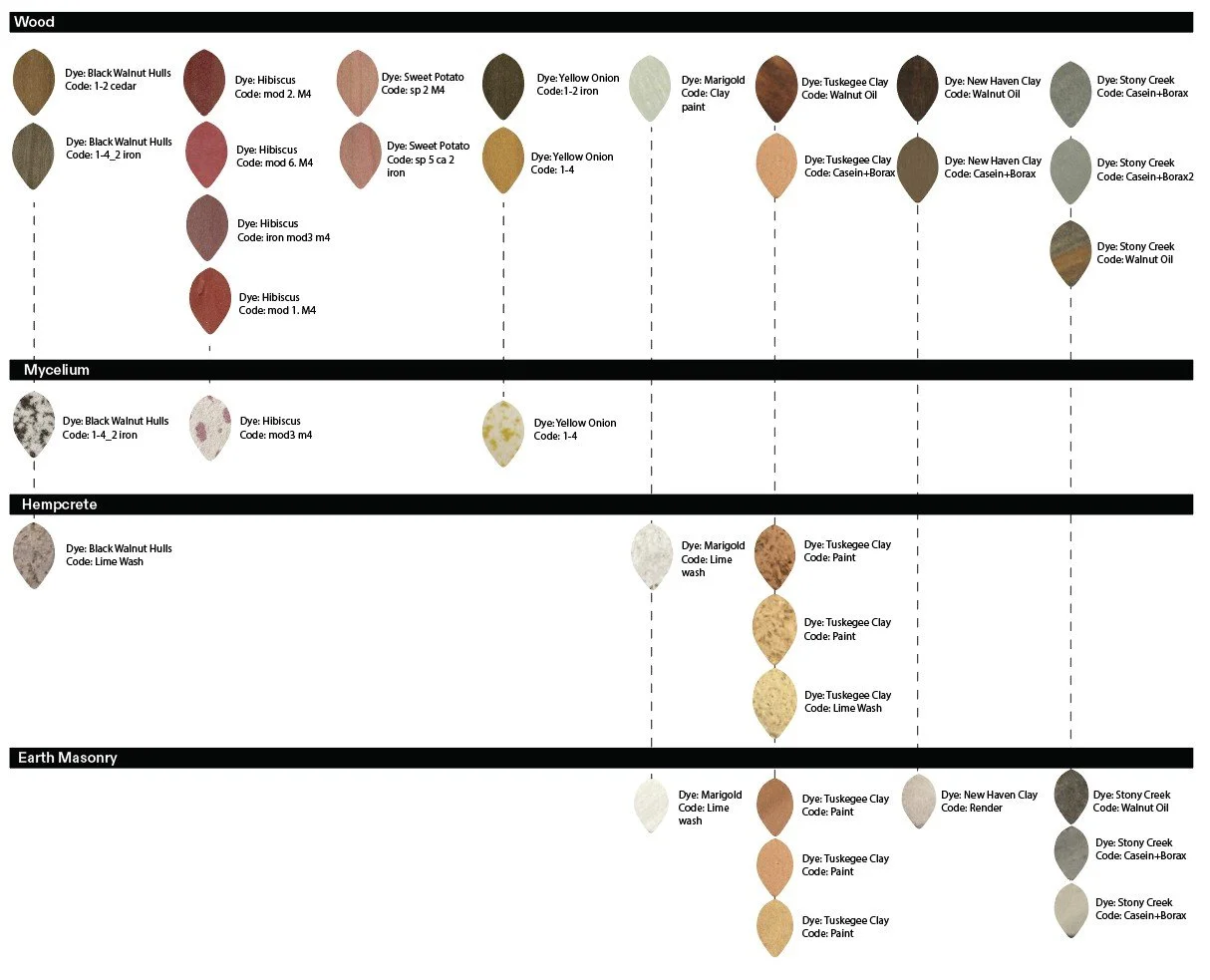
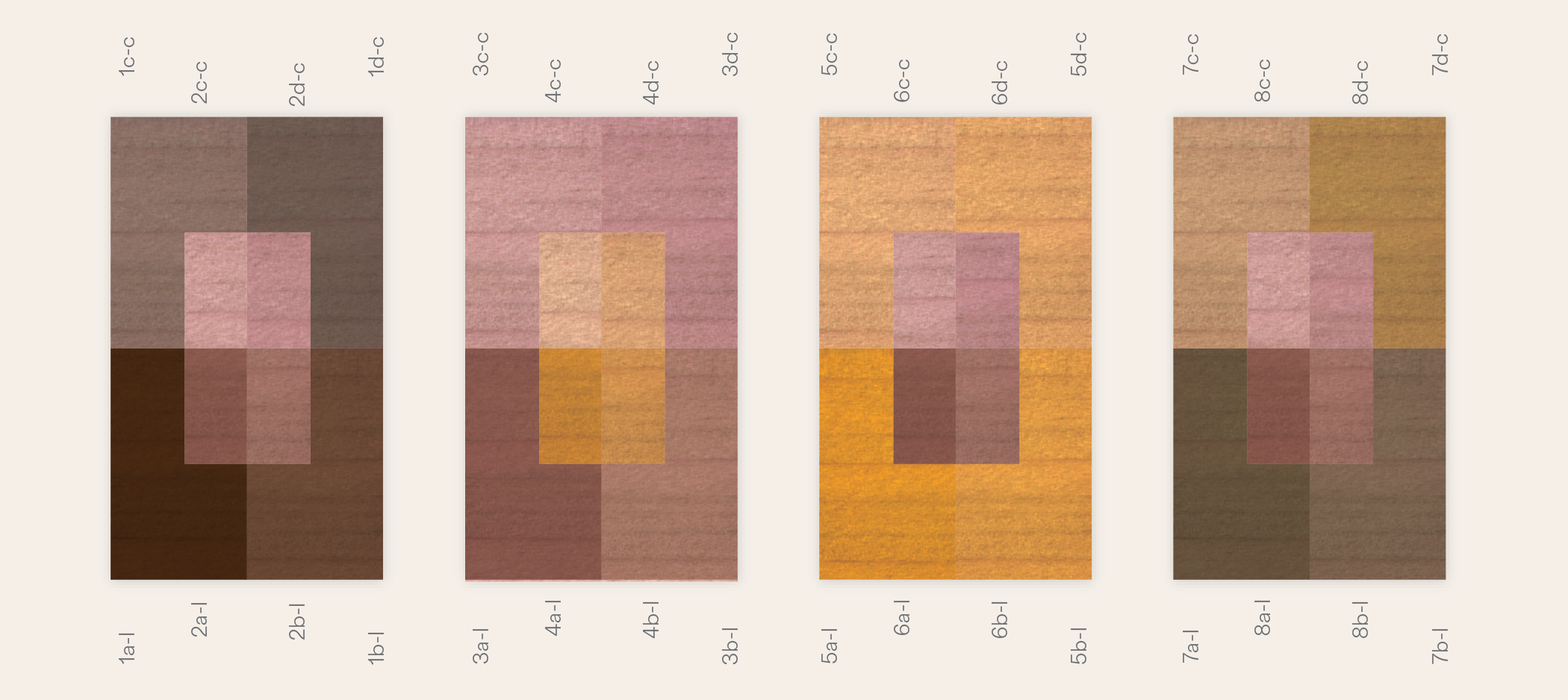
In 2025, Civilizations of Color partnered with the Armory Community Garden in New Haven to host a series of workshops exploring natural dyes and pigments sourced from kitchen scraps and local clays. Working with gardeners, students, and neighbors, participants experimented with making color from materials usually treated as waste, such as onion skins and sweet potato peels. In another workshop with SeaMarron Farms, we teamed up with friends young and old to mix hempcrete—a lightweight, breathable building material made from hemp fibers and lime—and press it into molds to form shingles for the new Carver Color Lab. In the future, the Carver Color Lab will journey across Connecticut to Tuskegee, collecting local soils and plant colorants and expanding the place-based color catalogue. Through a series of public workshops and exhibitions, its exterior shingled facade will serve as a public register and testing platform for evaluating bio colorant performance over time.

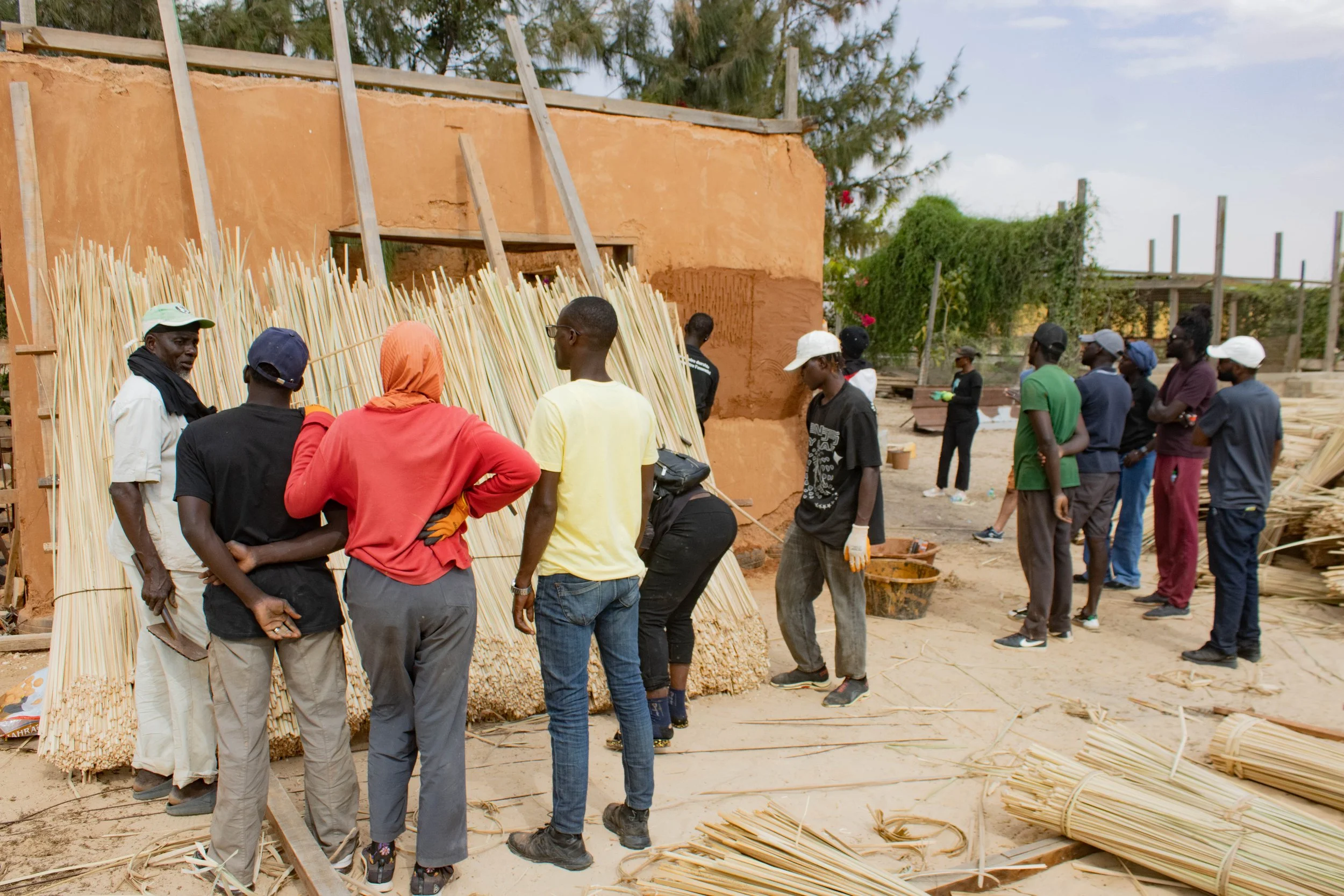
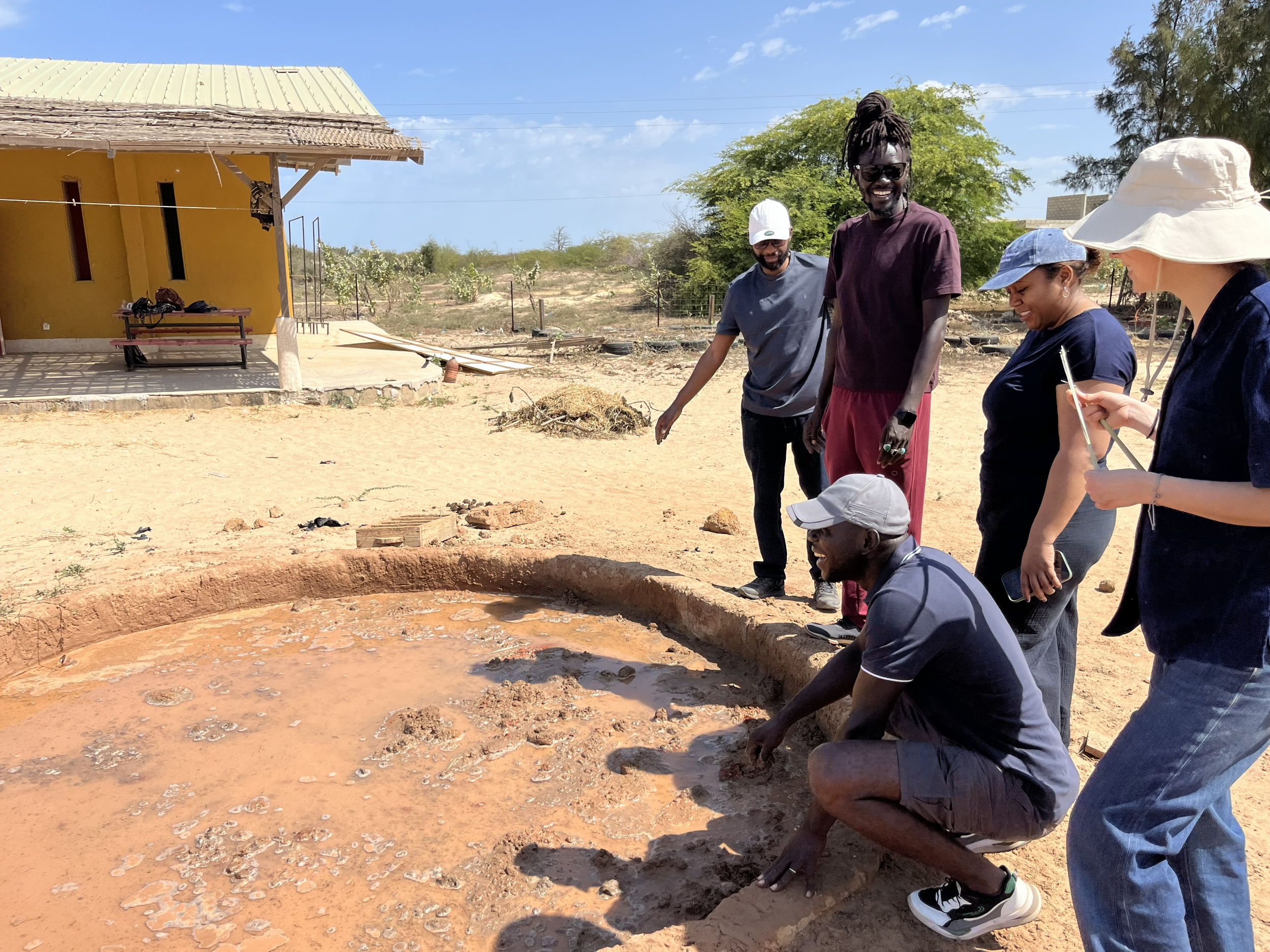
Relative to conventional pedagogies that enforce a primary dependency on a domain-expert teaching, a heutagogical approach relies on a broader framework of actors across interlinked material value chains. Across all three case studies, key actors including farmers, ecomanufacturers, earth masons, textile dyers, material upcyclers, architects, and designers operate across different points in the material cycle, yet their work converges ultimately on the health of soil systems as a shared substrate. Furthermore, value is generated not at a single point of extraction or manufacture within each sector, but at multiple nodes of an extended material life cycle — from the secondary by-products available to farmers, to the new services and roles that open up for downstream actors engaged in primary product transformation. Addressing soil health at scale demands systemic approaches to bridge structural gaps that currently fragment formal and informal education, sever indigenous knowledge from scientific practice, constrain supply chains, and leave policy frameworks without adequate capacity to address on the ground practices.