Ileum Pavilion at Haus der Kulturen der Welt (HKW)
Designers: Mae-ling Lokko
HKW team: Fernande Bodo / Sebastian Springer
Architects: Frederik Fuchs (ephem) / Matthias Weis (ephem)
Design Production Team: Mae-ling Lokko / Gustavo Crembil / Oswaldo Chinchilla / Alireza Zamani Samani
Panel Manufacturing Partners: Ricehouse Benefit Corporation / Opovate Ltd. / OR Foundation Ghana
Soil is home to the greatest number of species including not only the animal, plant, and fungi kingdoms of life but also for a broad range of materials. Seeping, eroding, diluting, mixing, filtering, storing, transporting, and sedimenting, the dynamic patterns of material migration in and out of soil horizons continuously reconstitute its territory as well as the broader ecology of human and non-human health over time. Over the past five centuries, unprecedented scales of mining, farming, and transforming materials have transformed soil ecosystems, compromising their capacity to nurture and sustain a broad range of biotic activity. Through its cataloguing of soil composite panels, the Ileum pavilion explores pluriversal roles of architecture in confronting its more recent historical indifference to soil ecosystems.
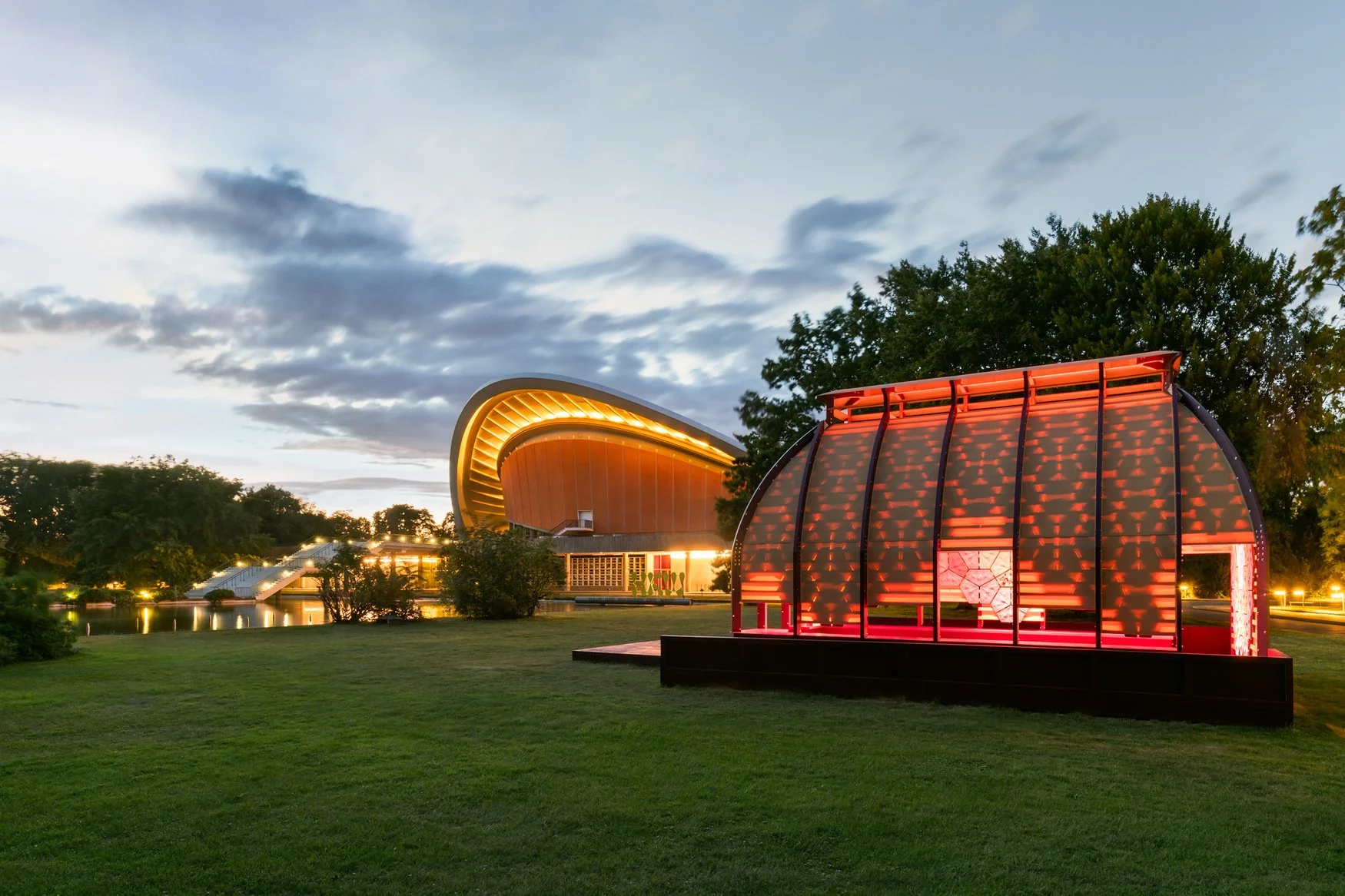

Ileum draws upon Berlin’s Großes Tropenhaus (a large tropical greenhouse, located in the Botanischer Garten in Dahlem), as a reference site for repair of both soil ecosystems and contemporary building cultures. Designed by Alfred Koerner in 1905 to house over 1,400 plant species from the African, Asian, and Australian tropics, the Großes Tropenhaus remains one of the largest steel and glass structures in the world. Alongside the importation of tropical flora into the greenhouse, the highly-networked botanical and colonial enterprise invented new systems of taxonomic classification that underpinned not only the centralization and control over global plant research but lucrative commercial applications in agriculture, pharmaceutical, and energy industries.
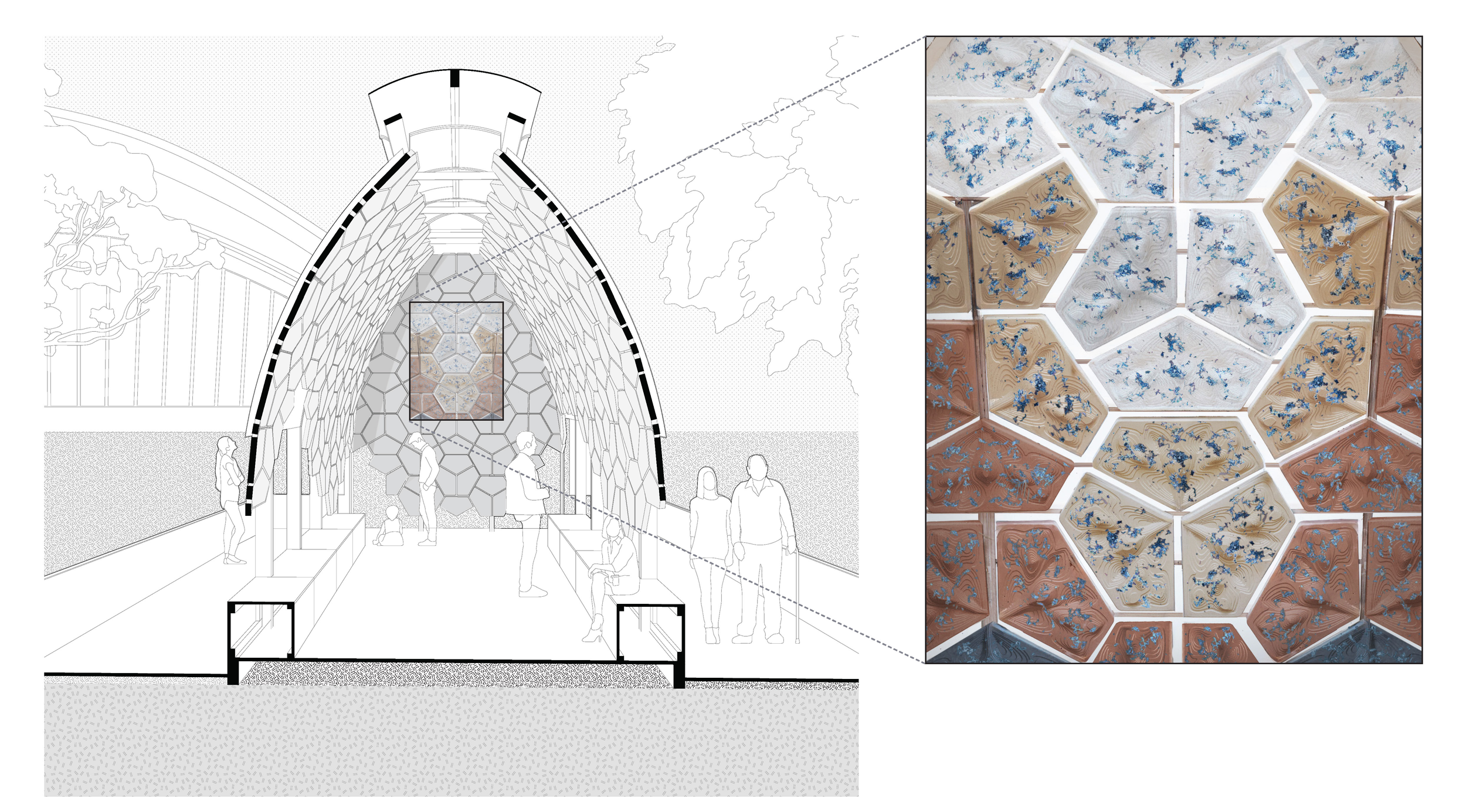
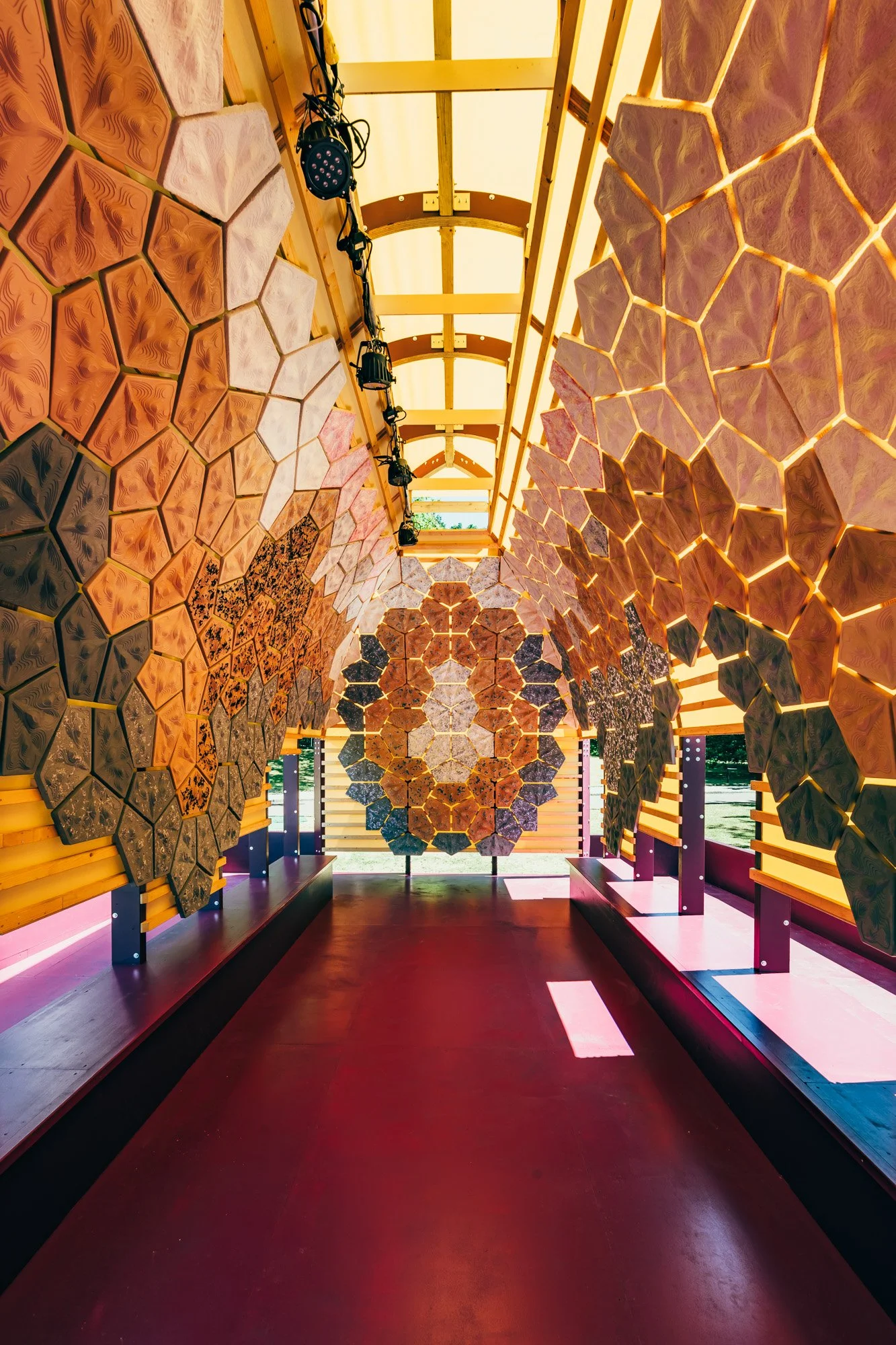
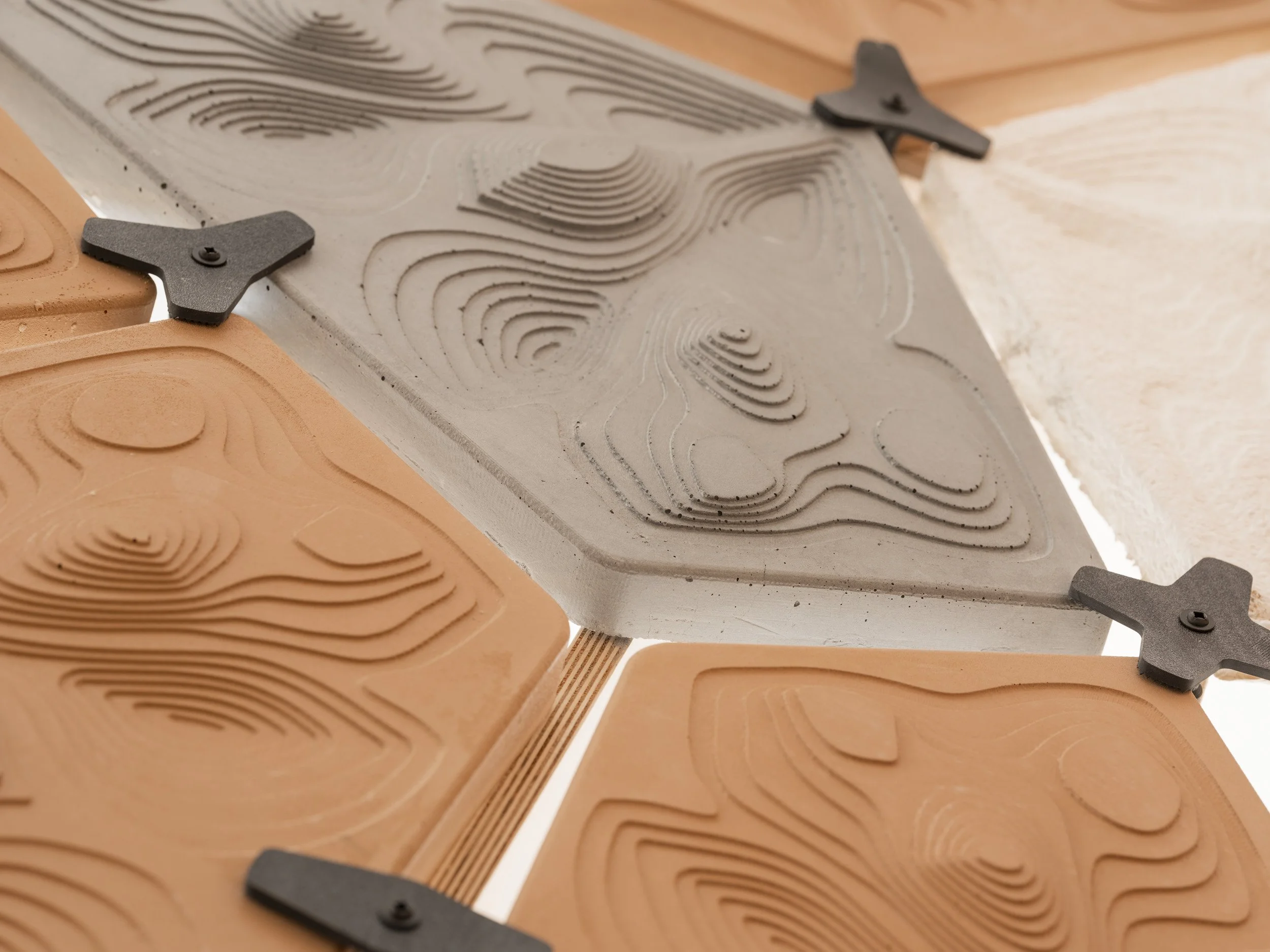
Replacing the Tropenhaus’s self-supporting iron and glass cold frame with a timber structure, the pavilion’s panelling system is reconstituted with composites of not only biogenic materials, but a growing scale of synthetic and secondary mineral industry by-products. By-products from twenty[1]first century enterprises including agriculture (rice husk, fly ash), metal manufacturing (ferro-silicon alloy by-products), and renewable energy systems (recycled solar panel glass fibres) are used as substrate, binder, and additive in earthen composite panels using non-toxic and low carbon material life cycle processing.
Embedded on the panel’s surface are shredded cotton particles, made from second hard clothing imported into West Africa. Across Ghana’s Atlantic coast and landfill sites, every week, 15 million second hand garments are shipped to Ghana from the United Kingdom, United States and China. Another 1.7 million tonnes of plastic including single-use black plastic bags used in every sector of Ghana’s economy are generated every year. Absorbed onto the surface of the geopolymer and mycelium panels, Ileum narrates the process of soil’s metabolism of textiles.
Ileum Pavilion at Haus der Kulturen der Welt (HKW)
Designers: Mae-ling Lokko / Gustavo Crembil
Design Production Team: Mae-ling Lokko / Gustavo Crembil / Oswaldo Chinchilla / Alireza Zamani Samani / Elis Huang / Tom Roland
Panel Manufacturing Partners: Ricehouse Benefit Corporation / OR Foundation Ghana
The Palm House at Kew Gardens was once the heart of a botanical empire, its iron and glass a monument to plant extraction and control. Vena Cava turns that architecture inside out: its timber frame stands deliberately empty, and its surface is tiled with alternative materials such as fly ash, bioplastic, and fungi. Rather than celebrating the greenhouse as a forerunner of modern building, the pavilion probes what a reparative architecture might look like by centering on material life cycles. Designed by Mae-ling Lokko and Gustavo Crembil for the British Pavilion's GBR (Geology of Britannic Repair), the work reframes decarbonisation and sustainability as questions tied to the histories of architecture and colonisation.

Carver Color Lab
Faculty Collaborators
Yale Principal Investigator: Dr. Mae-ling Lokko Tuskegee Principal Investigator: Amma Asamoah
Co-Principal Investigators
Sasha Duerr, Tei Carpenter (Princeton University) Mark Aronson, (Yale Center for British Art)
Research Assistants
Yale University: Laetitia Morlie / Oswaldo Chinchilla Alireza Samani Zamani / Brigid Elrod / Rebecca Mqamelo Maria Teleman / Precious Ndukuba / Moss Brener-Byant
Tuskegee University: Zaire Landon / Autumn Dickerson Victoria Sanders
Funding
Yale ASCEND Faculty Collaboration Grant Mae-ling Lokko Research Funding Tei Carpenter Research Funding
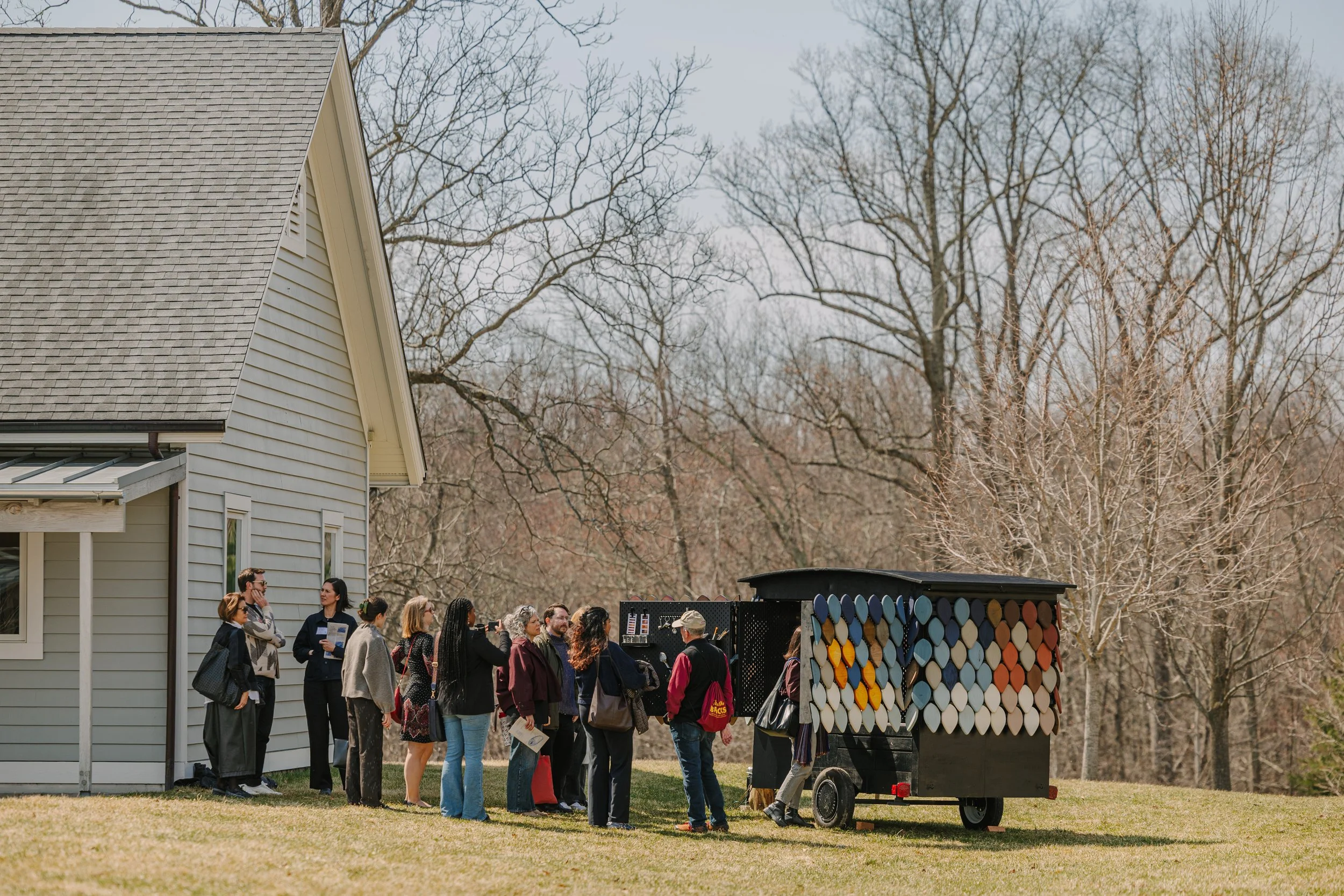
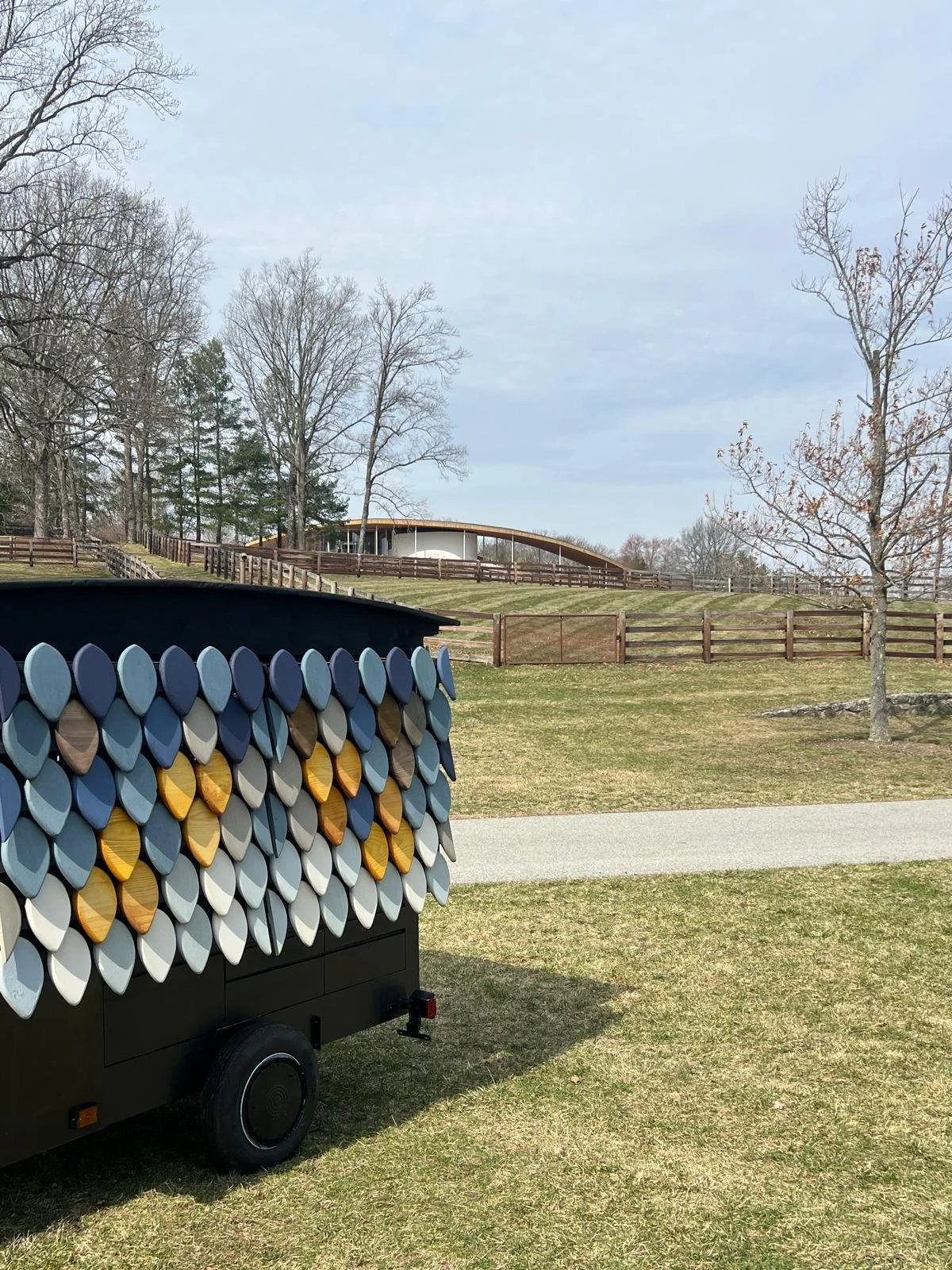
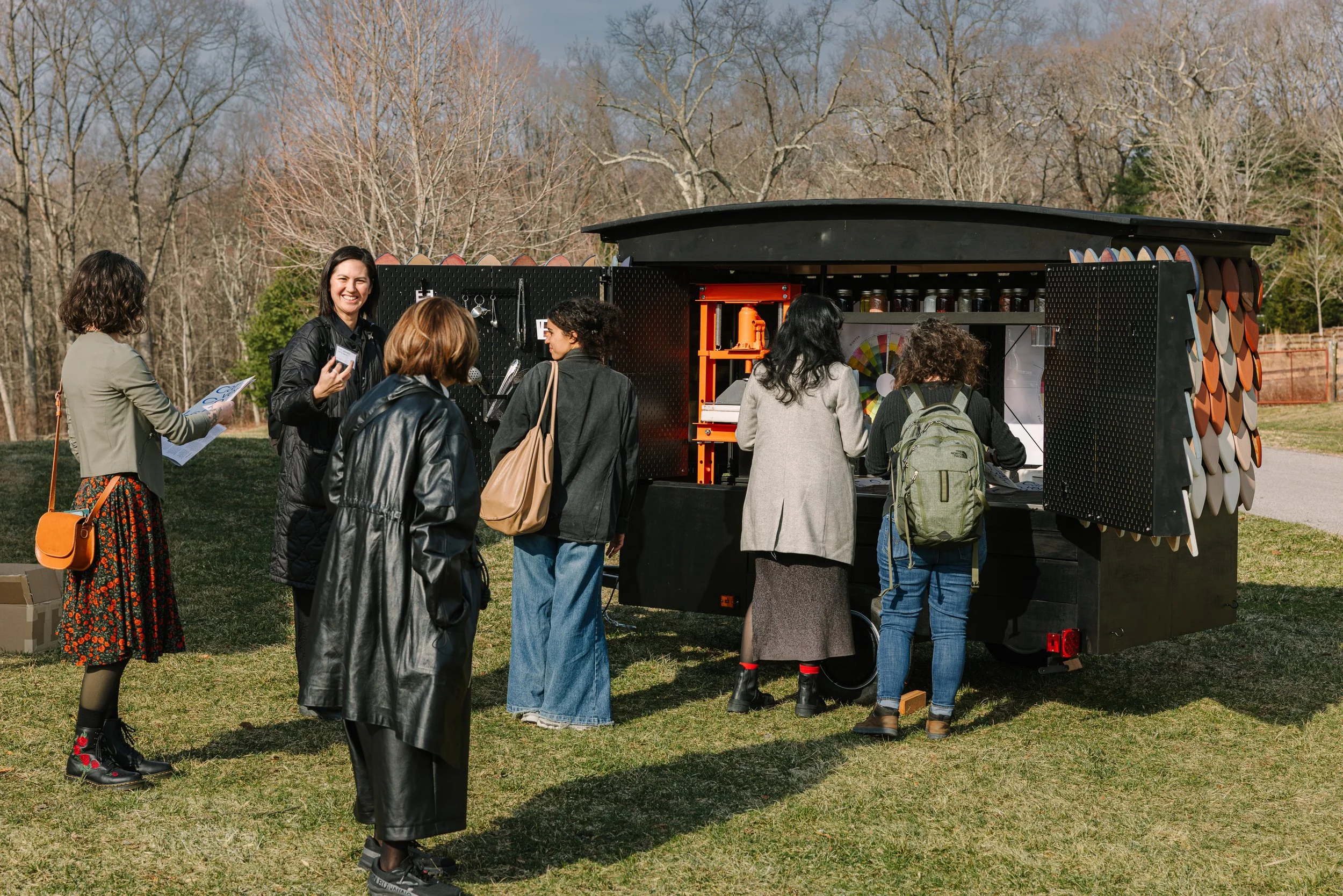
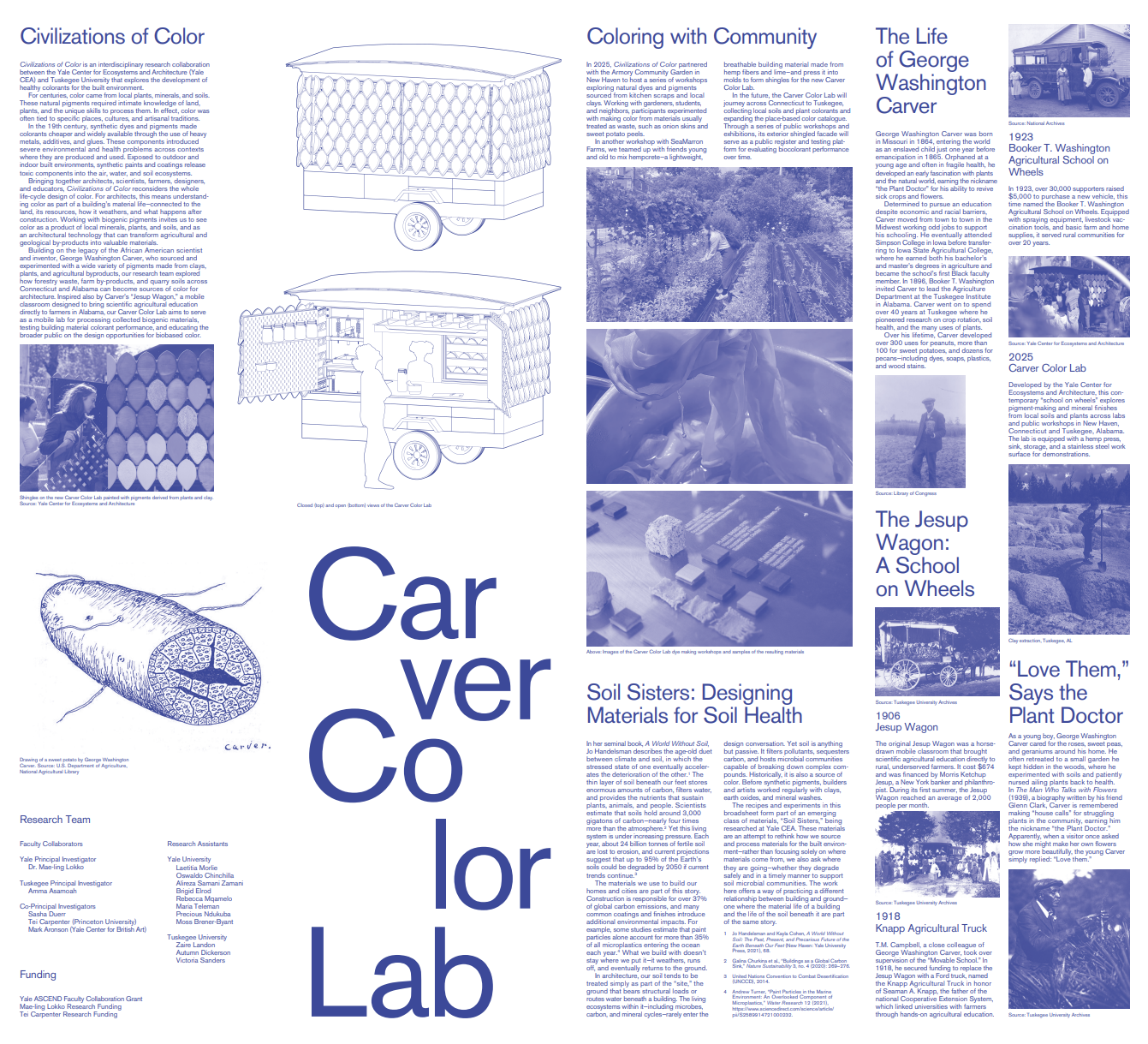
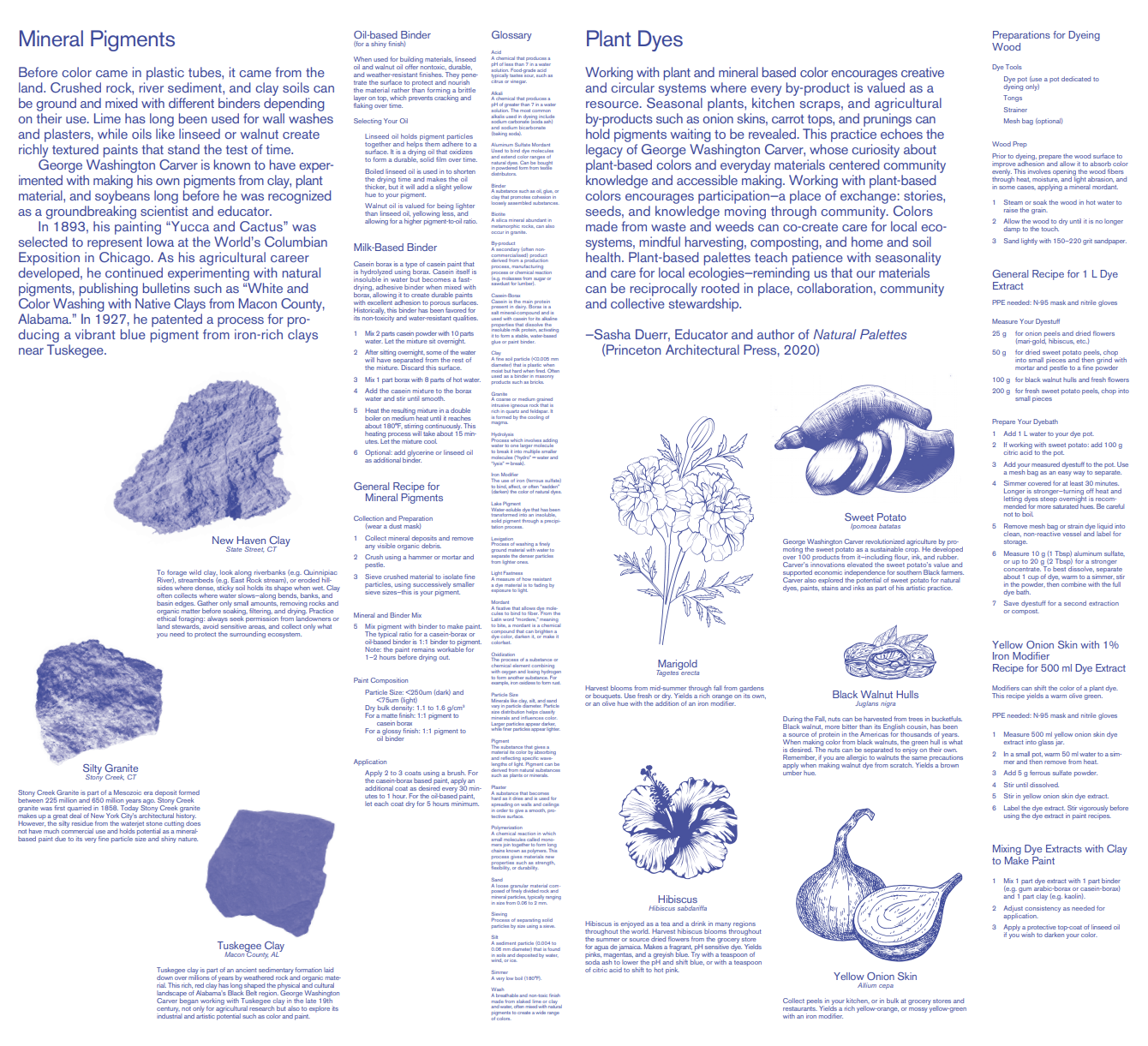
Civilizations of Color is a Yale CEA and Tuskegee University research collaboration exploring healthy colorants for the built environment. Historically, color came from local plants, minerals, and soils, tying it to specific places and artisanal traditions. Synthetic dyes and pigments in the 1800s made color cheap and widespread, but their heavy metals and additives harmed the environment and health, and they release toxins into air, water, and soil. The project reconsiders color across its full life cycle, treating it as part of a building's material story. Inspired by George Washington Carver's pigment experiments and his mobile "Jesup Wagon" classroom, the team is studying how forestry waste, farm byproducts, and quarry soils in Connecticut and Alabama can become architectural colorants. The outcome is a mobile color lab for processing and teaching biogenic materials and testing colorant performances.